


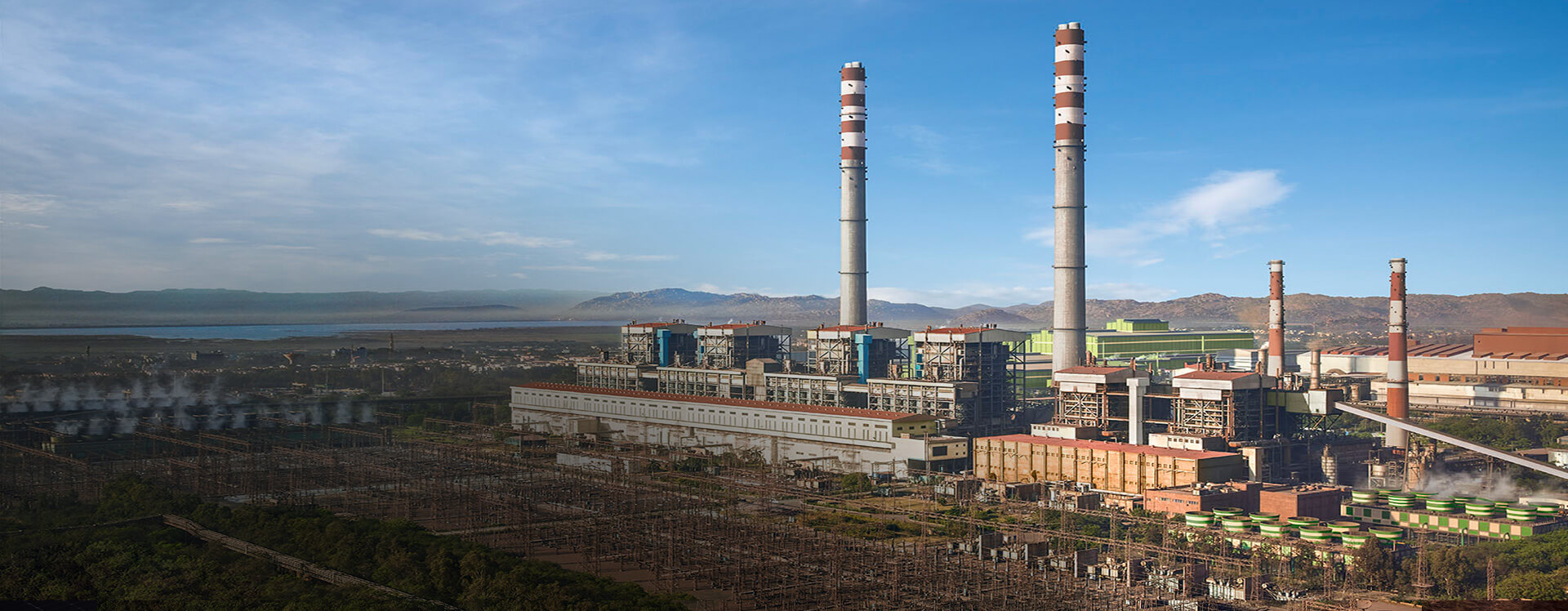
Climate Change has brought air emissions into focus of the strategic planning and decision making of all the countries and companies around the power industry globally which is associated with generation of huge amount of a wide variety of polluting emissions to air like carbon dioxide & methane is required to work towards controlling its green house gas (GHG) emissions. Power generation from conventional energy sources remains the major emitter of greenhouse gases and other pollutants leading to global warming. Recognizing the need for energy producers to act with agility, JSW Energy has deployed state of art technologies for managing and maintaining the air quality which also forms a key focus area in sustainability plans of the company. To control the release of gaseous emissions resulting from the operations, the company has devised a range of mitigation strategies at the plant level.
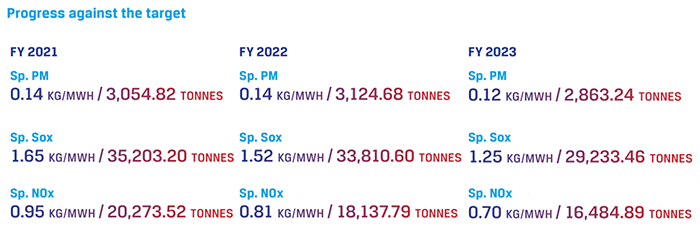
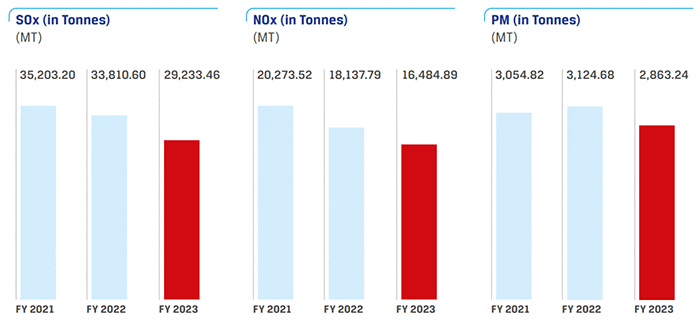
We at JSW Energy consider effective management of air quality as an important part of our sustainability strategy. We have developed various plant-level mitigation strategies to control the release of gaseous Emissions due to our operations.
JSWEL has a NOX reduction target of 0.785 kg/MWh for FY 2022-23. Taking in cognizance the electricity generation of 23,485,116.08 MWh, JSWEL absolute target during FY 2022-23 is calculated to 18435.81 MT. JSWEL has a long-term NOx reduction target of 0.37 kg/MWh for FY 2030.
JSWEL has a SOX reduction target of 1.503 kg/MWh. for FY 2022-23. Taking in cognizance the electricity generation of 23,485,116.08 MWh, JSWEL absolute target during FY 2022-23 is calculated to 35298.1295 MT. JSWEL has a long-term SOx reduction target of 0.68 kg/MWh for FY 2030.
JSWEL has an particulate matter reduction target of 0.05 kg/MWh for FY 2030.Post extrapolation to last financial year (FY 2022-23), the target comes out to be 0.135 kg/MWh. Taking in cognizance the electricity generation of 23,485,116.08 MWh, JSWEL absolute target during FY 2022-23, is calculated to 3170.49 MT.
We closely monitor mercury emissions from our operations as part of stack emissions monitoring. Stack emissions are monitored by a third party with NABL accredited lab on a regular basis and reports are submitted to regulatory authority – Central / State Pollution Control Board. The data from stack emissions monitoring indicates that the mercury emissions are below detectable limits.
Considering requirements of Pollution Control Board and on the basis of fuel used in our plants, we are not required to monitor quantities of SF6 emissions.


